

7-7-7: Colin Rayner @ The Actors
The intensity of the performance is unquestionable; Rayner commits fully to wherever he finds himself on stage, and that commitment is never in doubt.

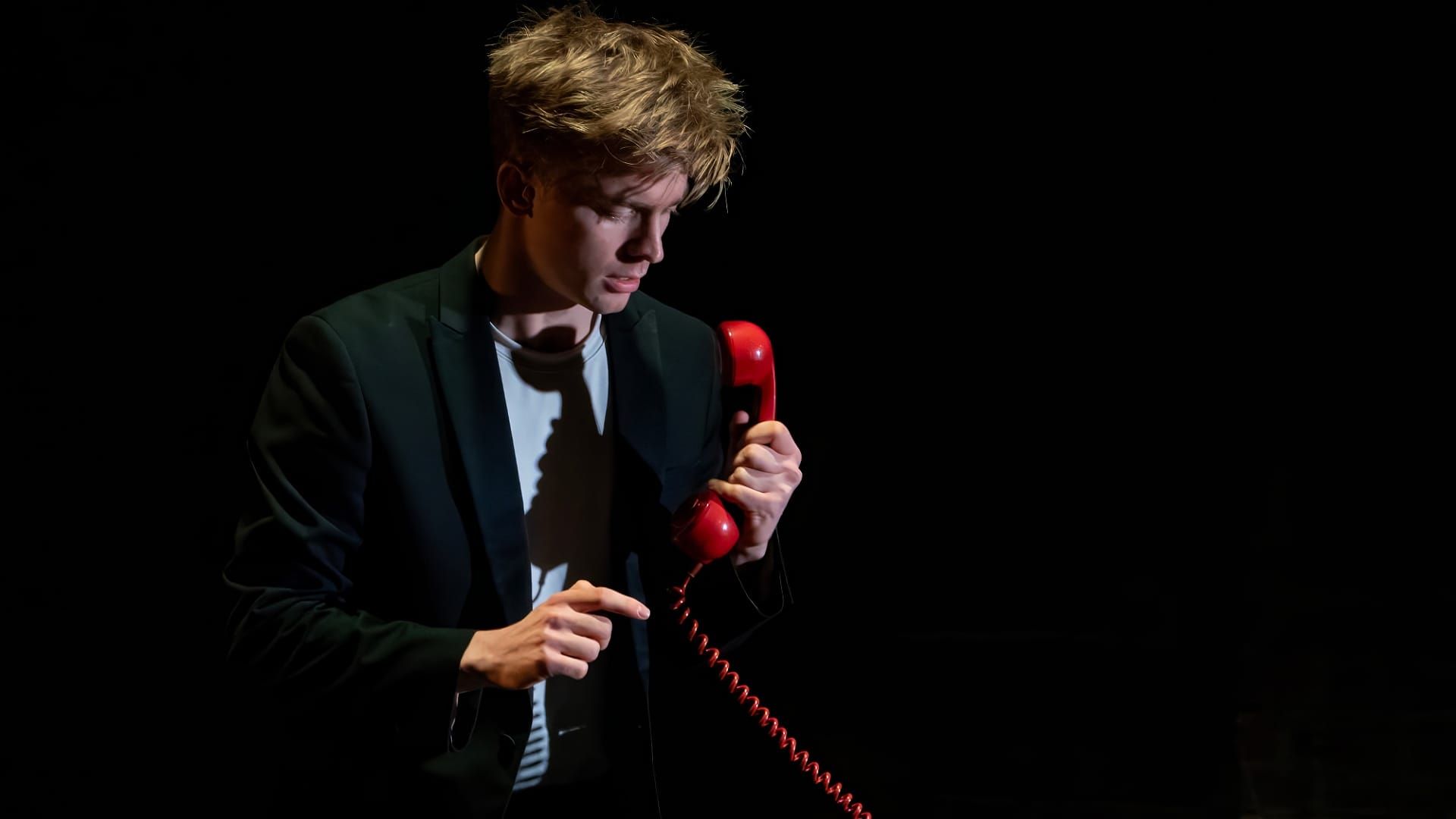
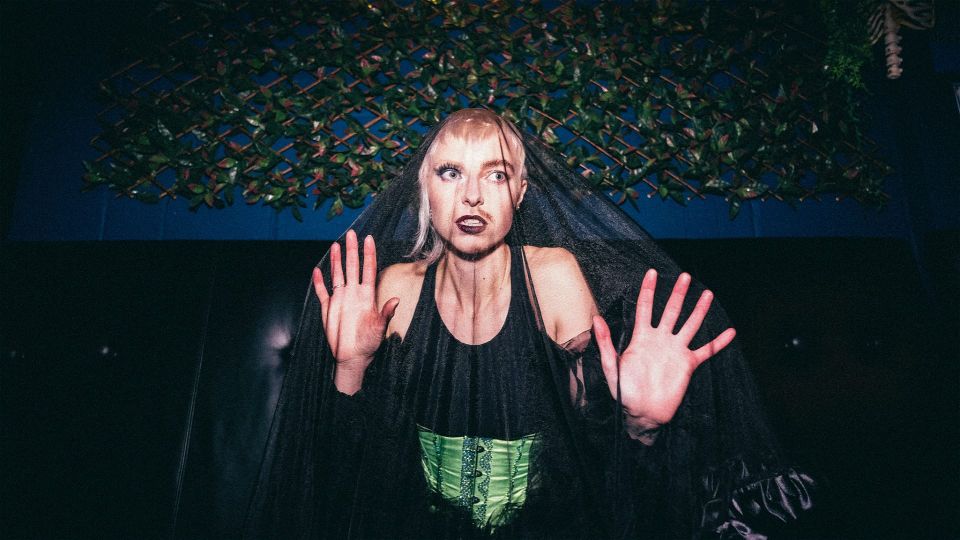
Brighton Fringe shows sometimes shake something loose. Colin Rayner's solo work arrives trailing smoke, strobe light, bloodshed and some genuinely uncomfortable questions about guilt, agency and whether any of us ever had a say in who we became. It's also, unexpectedly, something closer to contemporary dance than the theatre listing might lead you to anticipate.
The piece positions itself as part confessional autobiography, part philosophical séance, but the body is doing as much philosophical work here as the words. Rayner narrates, yes, but the narration feels like a libretto for the movement, a frame around the real event happening in his physicality. The movement vocabulary is rooted in contemporary dance: fluid contractions folding the torso inward as though the weight of existence is becoming literally unbearable, followed by releases that send energy cascading outward. Rayner has a visceral relationship with the floor; surrendering to gravity in heavy, deliberate drops, only to rebound upward with explosive, defiant verticality. That push and pull between collapse and flight mirrors the work's central obsession: the soul dragged down into another unwanted life, flung upward again into the cycle.
And these are not gentle lives. Violence and bloodshed run throughout 7-7-7 as recurring, unflinching motifs, depicted with enough explicitness to make clear that Rayner is not interested in sanitising the human experience he's cataloguing. The accumulation of brutal imagery is the point: each assigned incarnation carries its share of suffering, inflicted and received, and the body registers all of it. The content warnings on the listing, violence, sexual abuse, self-harm, are not precautionary; they are accurate.
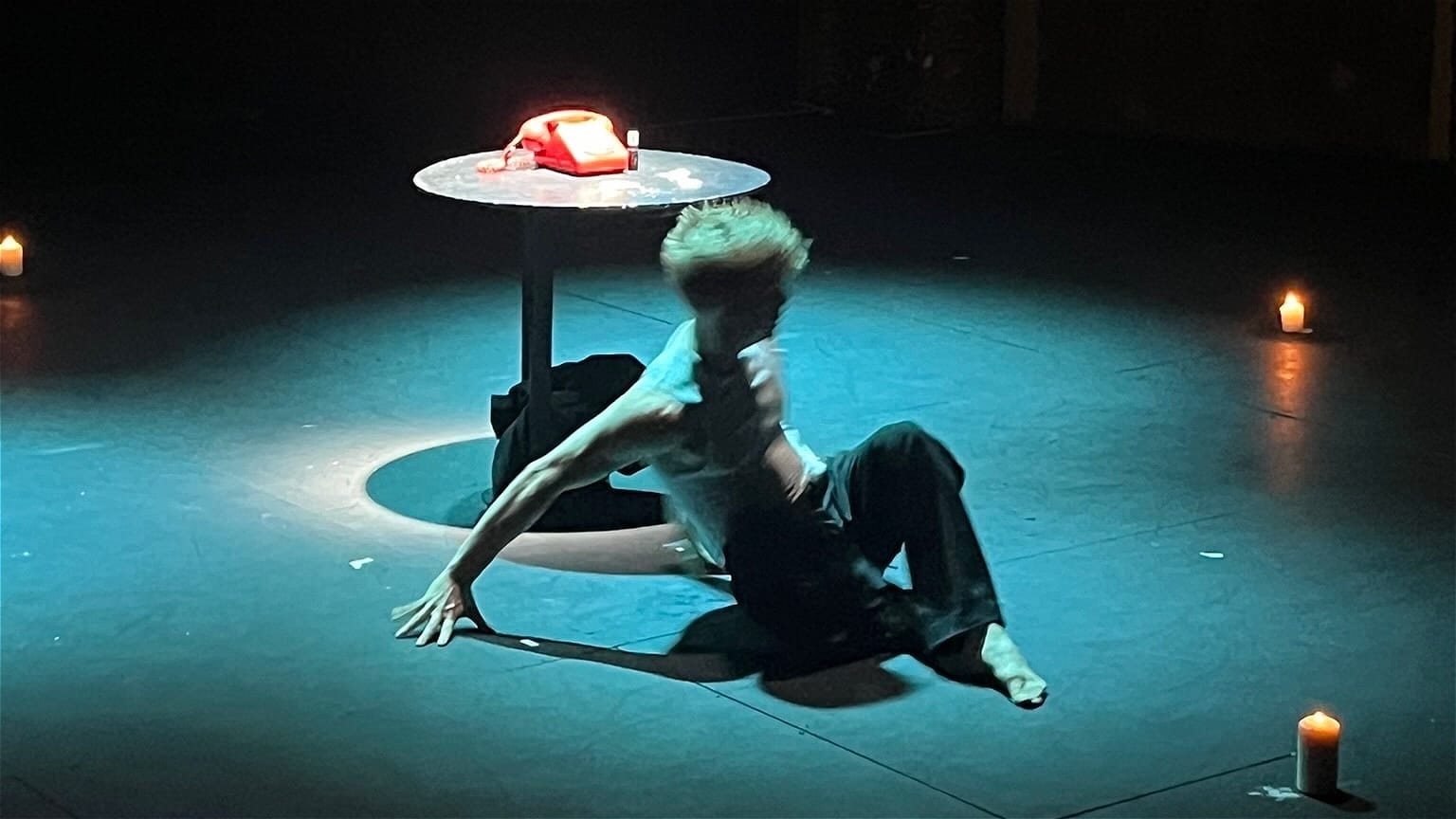
The structure is deliberate and accumulative; lives stacked upon lives, each cycle accelerating, the floorwork growing more desperate, the rebounds less graceful and more like something escaping. This isn't reincarnation as spiritual liberation; it's reincarnation as imposition. Someone, or something, is doing the allocating. Rayner's vision suggests a universe of directed cruelty, lives dispensed by an indifferent, unknowable force. Think less karma, more Cthulhu: a vast ancient intelligence glimpsed through a crack in the wall, offering no explanation, no mercy, just eyes. Always eyes.
It's a genuinely unsettling image, and a shame the work doesn't cast its net wider. The depictions skew heavily toward heterosexual experience, the big questions here, did you choose your desires, your family, your capacity for harm? land with particular charge for queer audiences who have had those very questions weaponised against them. Rayner doesn't go there, and the work is narrower for it.
This didn't feel like comedy, not even in the bleakest most Beckettian sense. There was little laughter in the room. The intensity of the performance is unquestionable; Rayner commits fully to wherever he finds himself on stage, and that commitment is never in doubt. If you're hoping for genuine ritual performance, be warned: the portal here is primarily chemical, which keeps the work at arm's length from the deeper traditions it reaches toward. The dancing, though, that is the ritual. That is where 7-7-7 is genuinely alive.
The Actors Theatre is always cosy, a perfect fringe space, and that intimacy places you close enough to feel the performance shift register around you. Ambitious, flawed, physically fearless and not easily forgotten.
7-7-7 continues at the Grania Dean Studio 23rd, 24th and 25th May (Lantern Theatre @ ACT). Tickets £11 / £8 concession.
More info or to book see the Fringe website.

Scene was founded in Brighton in 1993, at a time when news stories about Pride protests were considered radical.
Since then, Scene has remained proudly independent, building a platform for queer voices. Every subscription helps us to report on the stories that matter to LGBTQ+ people across the UK and beyond.
Your support funds our journalists and contributes to Pride Community Foundation’s grant-making and policy work.



Member discussion